Rejuvenating
your eyes.
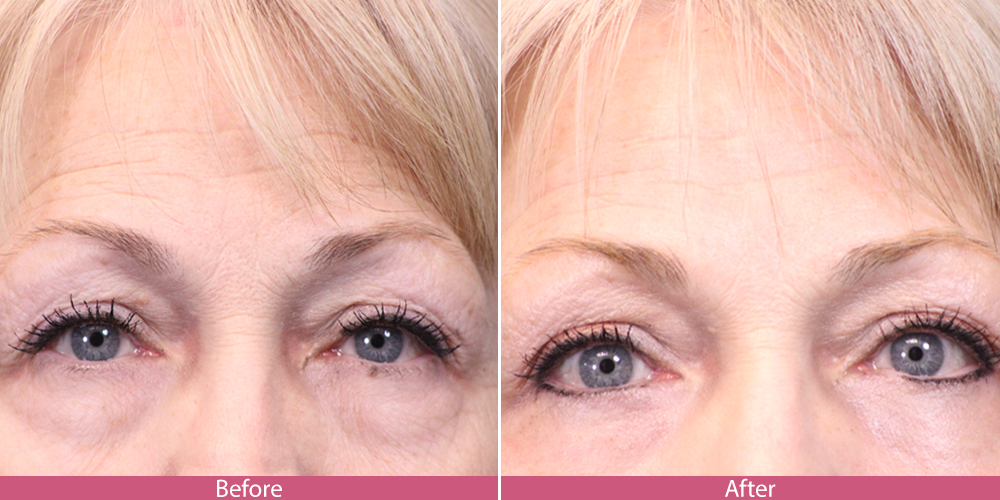
Real Patient Photos*
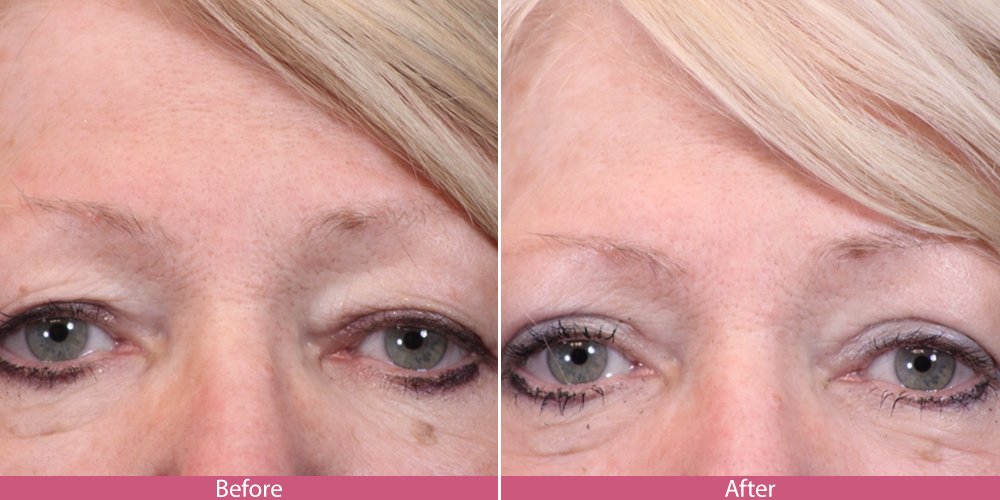
Upper Blepharoplasty
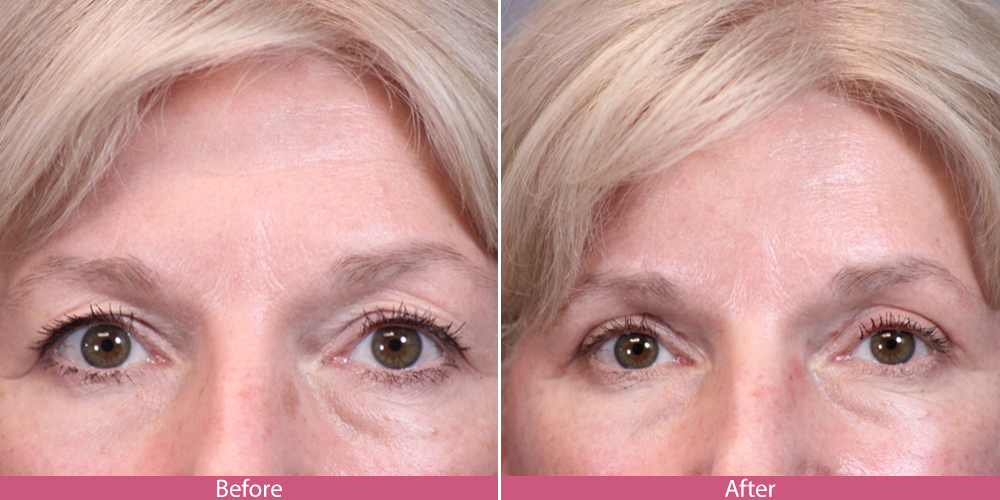
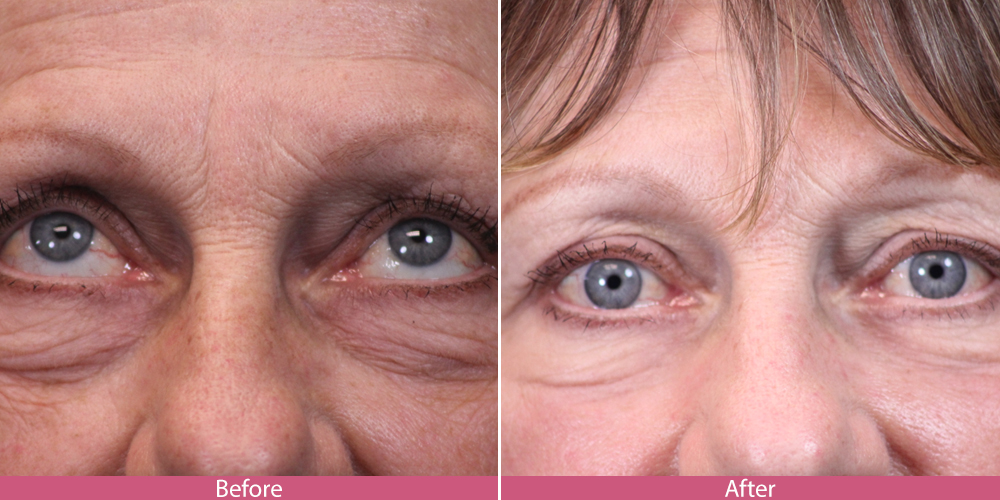
Lower Blepharoplasty
A Few Reasons to Choose Facial Beauty
Low Risk Procedures
Every procedure requires some for of anesthesia and traditionally this is a General Anesthesia, meaning you are completely knocked out. At Facial Beauty, we utilize cutting-edge local anesthesia procedures where you are not fully knocked out but completely comfortable. The advantage of Local Anesthesia that there are less complications & faster recovery time. Our procedures generally take from an hour and thirty minutes to no more than three hours, allowing us to dramatically reduce any risk involved in the procedure.

Limited Downtime
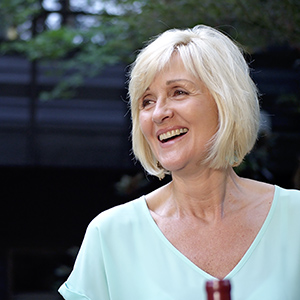
The biggest drawback to major facial surgery is the downtime. While recovery time can vary case by case, generally patients can return to work between seven to ten days after the procedure. We do everything we can for our patients to get you back to your family and back to your daily life of activity & exercise as soon as possible.
Simple & Affordable Financing
At Facial Beauty, we offer low monthly payment plans and pre-qualifications for any additional treatments, affordability has never been easier. If you’ve ever let financing stand in your way of a new you, come talk to us about options you may not know you had. We can even do pre-approvals over the phone so please feel free to call us anytime.
Frequently Asked Questions
What does the procedure involve?
- Hidden incisions
- Local anesthesia
- Specialized and Expert Facial Rejuvenation Surgeon
- Correct aging-related lax lower eyelid skin bulging and wrinkling
- Correct aging-related upper eyelid lax and redundant eyelid skin
What are the typical underlying problems?
- Aging-related upper eyelid lax redundant eyelid skin
- Aging-related lax upper eyebrow ptosis (sagging).
- Lower eyelid fat herniation and protrusion of periorbital fat.
- Protrusion of upper eyelid periorbital fat.
- Sun-damaged related skin thinning, aging, and wrinkling.
- Congenital fat deposition predisposition to lower eyelid.
What are the different types of eyelid (blepharoplasty) procedures?
- Upper eyelid blepharoplasty (trimming at the upper eyelid skin along with eyelid crease with concomitant trimming of excess protruding fat).
- Lower blepharoplasty.
- Lower transconjunctival blepharoplasty (trimming of redundant lower eyelid fat with repositioning of fat through a conjunctival incision).
- Lower eyelid fractionated CO2 laser resurfacing.
- Eyelid tightening (canthoplasty or canthopexy).
- Browlift (elevation of the sagging eye brow).
What type of anesthesia do you use?
What is a typical recovery time?
- Socially acceptable with makeup by 7 days.
- Return to work on a case-by-case basis, generally after seven days post-operative.
- Resume normal exertional activity, aerobics, and jogging, after two weeks.
What is the recovery like?
- Limited need for pain medication.
- Functional at home the day after the procedure.
- Bruising and swelling typically last up to seven days.
- Full exertional activity (aerobics, jogging) after two weeks.
- Socially acceptable generally by 7 days with makeup.
- Makeup can be applied after seven days to hide the bruising.
What can I do to help my recovery?
- Cold and ice compresses to the eye areas for up to 48 hours.
- No exertional activity. No lifting, jogging, or running for two weeks.
- Head of bed elevation during the day or during sleep at 30-degree angle for up to two weeks.
- Take prescribed medications according to the directions provided.
What factors have worsened the aging eye changes?
- Advancing age.
- Familial genetic predisposition of moderate baggy eyelids.
- Hormonal factors, chronic sinusitis, chronic allergies.
- Poorly controlled medical conditions (i.e. diabetes, cardiac disease)
- Extensive stress (i.e. divorce)
- Moderate past sun exposure.
- Long time smoking history
- Menstrual cycle influence
- Congenital fatty redundancy predisposition.
Are there any procedures typically performed along with an eyelift (blepharoplasty)?
- Natural lift, minilift.
- Fat grafting or fat injection or fat eyelid repositioning.
- Full face laser resurfacing with fractionated CO2 laser.
- Brow lift.
What are typical motivations for an eyelift (blepharoplasty)?
- Individuals motivated to look their best.
- Dissatisfied with overall aging appearance, particularly around the eyes.
- Saggy eyelids.
- Angry eye appearance
- Baggy lower eyelids.
- Baggy eyelid skin.
- Unsatisfactory appearance when looking in the mirror.
- Overall tired look, tired appearing eyes.
- Decreased visual fields (decreased lateral and upper vision).
- Difficulty applying eye makeup.
- Dark circles under the skin.
Who are good candidates?
- Individuals motivated to look their best.
- Individuals dissatisfied with their eye appearance and appearance of looking older than they feel.
- Healthy individuals.
- Individuals motivated to feel their best about themselves.
- Individuals frustrated by the changes that have occurred to the eyes, particularly past the age of 40.
How old are most patients?
- 40 to 85, upper eyelids.
- 30 to 85, lower eyelids.
How experienced are the surgeons?
- Board-certified Facial Plastic and Reconstructive Surgeon.
- Double board-certified (Otolaryngology-Head and Neck Surgery).
- Expert blepharoplasty surgeon who performs over 100 blepharoplasties a year.
Are there any reasons why I should not have a blepharoplasty?
- Mild to moderate cardiac or pulmonary disease.
- Other significant medical illness.
- Chronic anticoagulation.
- Severe dry eyes.
- Underlying eyelid malposition.
- Significantly lax and weak lower eyelids.
- Active thyroid disease.
Routine post-operative instructions?
- Ice compresses to the periorbital area (around the eyes) for 48 hours.
- No exertional activity. No lifting, jogging, or running.
- Head of bed elevation during sleep at 30-degree angle for two weeks.
- Take prescribed medications according to directions.
- Refrain from eye activity such as reading or watching television for two to three days post-operative.
- Refrain from driving for 3 or more days.
A message about blepharoplasty from Dr. Santos:
We all age and the eyes can more quickly age than other areas of our face, as early as in our 30s and 40s. It is not uncommon to have hooded upper eyelids or baggy lower eyelids in individuals in their 30s. Concern for the eyes is probably secondary to the facial concern of the jowls and neck for most individuals who seek facial rejuvenation but it is nonetheless a very important and not too infrequent cosmetic concern. So many consider their eyes their best feature; and when the eyes start to show signs of aging, an overall sense of discontent and disappointment sets in: we change our perception of who we are. Of all the facial features, the eyes tend to be one of the most significantly important for portraying a sense of energy, excitement, and engagement. Our emotions are so well seen through the eyes. How often have you heard the phrase: “you can see it in his eyes” or “the eyes are the window to the soul?” We see so much of our inner selves through each other’s eyes, and with some individuals, their eyes are their most attractive feature. When the eyes start to go, when an appearance of tiredness, sadness, and aging sets into the eyes, then we become not nearly as energetic or vibrant appearing on the outside, nor as youthful feeling internally.
There is a fatty tissue layer located in and around the eye globe which is kept in place by a membrane called the septum. The septum is important because it supports and protects the eye and associated neurovascular structures and muscles. Generally, dark circles underneath the eyes are due to shadow effect caused by protruding fat in and around the eye globe. There can also be an increase in pigmentation to the lower eyelid that accentuates the tire and baggy appearance. There are a number of factors that predispose to baggy eyelids including persistent allergies, hormonal influence, genetic predisposition, and chronic sinusitis. However, the main factor for eyelid aging is time, and as time passes, the fatty tissue bulges forward, pushing the lax eyelid septum forward causing eyelid bagginess. Also with time, the fascia and skin surrounding the eyes becomes more lax, and sags. The brow can sag too, causing additional overhang over the eye itself. The skin around the eyes becomes saggy and wrinkled, due to aging, and sun damage.
Blepharoplasty procedures are like a night in white shining armor where the concerns of aging for the eyes are remedied. Blepharoplasty also known as eyelid surgery, or eye tuck, directs its rejuvenation towards resolving the issues of saggy and lax skin, protruding bulging fat, skin discoloration, visual field loss, wrinkling; all of which are the culprits behind the overall eye and facial appearance of tiredness, fatigue, sadness, and melancholy seen with aging. Substantial satisfaction can be achieved when expert facial plastic surgeons provide a remedy for these aging eye concerns.
Sincerely,
Dr. David Santos
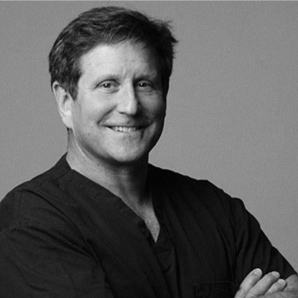
David Santos MD, FACS
Dr David Santos was the Medical Director for Lifestyle Lift, responsible for hundreds of facelift surgeons and thousands of procedures. Having performed over 4,000 facelift procedures himself, Dr. Santos is committed to finding cutting edge techniques to reduce the risk and minimize the downtime of facelift procedures.
- Member American Board of Facial Plastic and Reconstructive Surgery
- Member American Board of Otolarnyngology – Head and Neck Surgery
- Member American Academy of Facial Plastic and Reconstructive Surgery