Face: Chemical Peel
What is a Chemical Face Peel?
A Chemical Face Peel is the application to the skin of one or a combination of
several chemical-exfoliating agents, which causes a resultant
injury, and subsequent shedding of the superficial portions of the
epidermis and/or dermis layers of the skin. New skin subsequently
regenerates and significant restoration of youthful skin is the
result. There are other names for Chemical Facial Peeling such as
chemosurgery and chemexfoliation.
Chemical Agents
There are quite a number of Chemical Face Peeling agents and these can be combined with other agents to
achieve different responses and results depending on the desires of
the patient and the experience of the facial plastic surgeon. A
short list of exfoliating agents includes the following: trichloroacetic acid (TCA), alpha-hydroxy acids, including glycolic
acid, phenol, salicylic acid, lactic acid, alpha-keto acids,
tretinoin or retinoic acid, or resorcinol.
The Underlying Problem
Over the years, the skin of the neck and
face loosens and the overall texture of the skin changes and becomes
more weathered. Sun exposure, poor diet, stress, and underlying
medical conditions are significant factors accelerating this
process. Fine lines develop around the eyes causing crow’s feet;
laugh lines around the mouth, and smile wrinkles appear around the
upper and lower lips. These are just a few of the unsightly changes
that can occur and are improved with Chemical Face Peeling. The goal of
Chemical Facial Peeling is rejuvenation and restoration to a more youthful
appearance.
A Viable Solution
There is an inevitable and timeless
question that has been asked for centuries: how can we restore skin
youthfulness after time has weathered one’s facial beauty?
Chemical Face Peeling for facial rejuvenation has withstood the test of time and
the scrutiny of many facial plastic surgeons.
An operation such as a face-lift or blepharoplasty can remove sags
and significantly improve the aesthetic appearance of the eyes and
face. Specifically, these surgical treatments improve wrinkling.
Chemical face peels can supplement surgical treatments, and can
significantly smooth out wrinkles in areas where surgery is less
effective.
Indeed, many surgeons feel that Chemical Face Peeling is the treatment of choice for facial rejuvenation. More
specifically, many areas are easily treated with Chemical Facial
Peeling
techniques and the results are successful. Chemical Face Peels remove age
related skin changes such as dark pigmentation spots, (hyperigmentation), melasma, dyschromias, lentigines, bumps, lumps, enlarged moles, and
fibromas etc. and scaly raised lesions (solar keratosis,
hyperkeratoses, seborrheic keratoses). In addition to these
improvements, wrinkles are also reduced.
There are many strong proponents who feel that chemical resurfacing
achieves removal of pre-cancerous and early cancerous skin lesions.
Although Chemical Face Peeling is not recommended treatment for skin
cancer, it more than likely reduces the risk of future skin cancer.
Types of Chemical Face Peel
Chemical Face Peeling agents are divided into
three categories based on their inherent level of injury and
subsequent inherent rejuvenation. These are as follows:
-
Superficial Chemical Face Peel rejuvenation.
-
Medium depth Chemical Face Peel rejuvenation.
-
Deep depth Chemical Face Peel rejuvenation.
Chemical Face Peel agents exfoliate the skin,
which leads to subsequent skin healing, resurfacing, and
rejuvenation. Basically, the deeper the wound, the greater the
subsequent rejuvenation. Therefore, there is a greater potential
risk for side effects and complications with deep Chemical Face Peeling.
These agents essentially create a greater injury to the specific
layers of skin, instigating subsequent aesthetic rejuvenation
affects.
Superficial Chemical Facial Peeling
“Superficial Chemical Face Peeling” essentially
means that a superficial level of injury is delivered to the skin to
achieve modest facial rejuvenation. Specifically, these agents
provide a resurfacing of the upper layer of skin, keratin,
superficial stria, and corium layers of the epidermis. Expectant
regeneration of the upper layer of skin quickly ensues four to seven
days later, which results in an overall modest improvement.
Superficial Chemical Face Peeling can be performed as a “lunchtime
facial” without the concern for post-treatment swelling and redness.
The treatments take approximately 15 to 20 minutes. First, the face
is rigorously cleaned; the Chemical Face Peeling agent is then applied. A
small amount of tingling and discomfort is expected. The degree of
penetration of the superficial peeling agent is based on the
chemical strength (concentration) and the amount of time the agent
is left on the face in its active form. Oftentimes, superficial
Chemical Face Peeling is performed multiple times in succession over a
several week period of time in order to achieve reasonable and
identifiable facial rejuvenation.
Trichloracetic acid (10 to 25 %) is a very
common superficial peeling agent. Jessner’s Solution (resorcinol) in
a concentration of 10 to 50% is also commonly employed. Resorcinol
paste, at approximately 10 to 30 % concentration is also sometimes
used. Solid carbon dioxide ice (solid blocks at –78.5°C) also
provides a superficial peel. Alpha-hydroxy acids and alpha-keto
acids, such as glycolic acid, are Chemical Face Peeling agents produced
naturally from sources such as sugar cane or sour milk. Other fruity
acids include mandelic, azelaic, and benzylic acids. Trichoracetic
and glycolic acids are the most common agents used today for
superficial Chemical Face Peeling. When used for longer than six months,
trans-retinoic acid or tretinoin, also known as Retin-A, provides a
nice superficial chemical treatment as well.
Medium Depth Chemical Face Peeling
Medium depth Chemical Face Peels penetrate the
deeper layers of the skin (dermis). Thus, greater overall
rejuvenation is achieved than with superficial Chemical Face Peeling.
Over the years, a medium depth Chemical Face Peel has become one of the
most commonly desired facial skin resurfacing options. Typically,
medium depth Chemical Face Peels are cheaper than the laser-resurfacing
counterpart.
The typical agents used in medium depth peels are trichloracetic
acid in a 35-50% concentration. Jessner’s solution in combination
with trichloracetic acid is an alternative option. Simple
trichloracetic acid in a 50% solution combined with full strength
unoccluded Phenol (88%) agent is also sometimes used. These medium
depth treatment regimens require several days of convalescence.
Subsequently, there is a moderate amount of bruising, swelling, and
redness that occurs. Topical ointments such as kojic acid and/or
hydroquinone ointment can help minimize postoperative pigmentation
problems and ensure proper healing. Pain medications and shower
regimens are also instituted a few days after the procedure.
Deep Chemical Face Peeling
A deep Chemical Face Peel requires greater
post-operative convalescence, but achieves a greater level of
improvement and facial rejuvenation. The traditional deep Chemical
Face Peel is that of “Baker and Gordon” formulation, which includes a
Phenol component. The technique requires sedation and proper cardiac
monitoring. Postoperative convalescence is a prolonged two-week
period of time, however the ultimate result is highly satisfactory
and successful.
What to Expect of Chemical Face Peeling
With any interventional endeavor,
including Chemical Face Peeling, possible complications are occasionally
seen. Superficial Chemical Face Peeling is rarely associated with
complications. With medium and deep Chemical Face Peeling there is a
slightly greater risk. Some of the common minor complications
include the following:
- Prolonged redness.
- Hyperpigmentation (darker skin pigment)
- Milia (small white heads)
- Superficial local infection
Rare complications include the following:
- Scar formation
- Hypopigmentation (lightened skin pigment)
- Cardiac arrhythmia
- Toxic shock syndrome
- Textural changes (skin dermal atrophy)
Generally speaking Chemical Face Peeling is generally considered a very
safe procedure in competent experienced hands. The golden rule for
Chemical Face Peeling is that a greater degree of success comes with
greater depth of treatment. However, there is a trade off of
increased risks and complications, as well as increased
convalescence and time for healing. Each individual situation
warrants a unique and specific approach for treatment in order to
achieve optimum results. An experienced and skilled plastic surgeon
is of paramount importance when aspiring to achieve proper facial
rejuvenation.
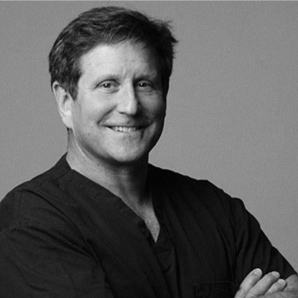
Combining experience, service, and specialization is the essence
of Dr. Santos’ practice. As a double board certified Facial
Plastic and Head and Neck Surgeon, Dr. Santos is dedicated to applying
state of the art techniques and technologies. His philosophy is
that of commitment and excellence in surgical technique and artistry,
as well as creating an environment where the best possible medical
care is achieved for each individual.
Superficial Chemical Face Peel
|
 |
Also See:
Face Lift,
Laser Resurfacing, Botox,
Restylane, Scar Revision
|
Dr. Santos is a Board Certified
Facial Plastic Surgeon Specializing in facial plastic surgery with two
clinics in the Renton, Seattle, Washington area; The clinics allow service
to Seattle, Renton, Bellevue, Kirkland, Tacoma, and Puget Sound area of
Western Washington.
Dr. Santos provides solutions for those seeking information regarding
facial plastic and reconstructive cosmetic surgery. He specializes in
consultation for various forms of cosmetic surgery such as face lifts
(rhytidectomy), eye lifts (blepharoplasty), facial plastic surgery,
facial rejuvenation, rhinoplasty (nose and nasal surgery), Botox(R)
injections, Restylane injections, chemical peel (resurfacing), laser
resurfacing, microdermabrasion, scar revision, brow lift / forehead
lift, lip enhancement and augmentation, liposuction, and overall facial
rejuvenation. Dr. Santos is a plastic surgeon that strives to provide
the highest level of comfort and integrity for those seeking an improvement
in their appearance. The information provided on this website should
not be construed as specific medical advice or recommendation.
Please call today at 1(425) 227-4000 or fill in the form below and set
up an appointment for your individualized consultation at our
Renton clinic, which serves the Seattle and Puget Sound
area of Western Washington.
|
|
|
|