Ears: Otoplasty

A Common Problem
Probably one of the most common conditions
affecting the outer ear is the “lop ear deformity.” Essentially this
is a congenital problem whereby there is a failure of development of
a specific crease or fold to the upper portion of the outer ear.
Instead of an ear position close to the scalp, the ear protrudes far
away from the scalp. Additionally, more fullness and prominence of
the cartilage of the center portion of the ear can also cause
additional protrusion of the ears, which essentially contributes as
well to the ear protrusion and the “ears sticking out” phenomena.
Ridicule and Teasing
Children who are born with a lop
ear-anomaly often times do quite well up until the time of school.
At this time, the natural human tendency is unavoidable and
traumatic teasing and ridicule, particularly in the classroom and on
the playground. As for adults, hairstyles may be worn in such a
fashion that camouflages the protruding ears, but when ponytails
are desired or short hairstyles become more commonplace the
protruding ears become anxiety-provoking for both men and women with
lop-ear deformity.
Overall, the deformity has the potential
to cause deep inherent emotional scars that may not be realized by
even the closest family member or friend. Indeed, friends and
relatives are often unaware of the significant psychological trauma.
Realization of the inherent personal significant of the protrusion
deformity may only manifest directly following a successful
otoplasty operation. Counseling is sometimes successful in dealing
with the problem, however, surgical treatment of protruding ears can
be quite rewarding for both a young child and an adult.
What is Otoplasty?
Otoplasty involves reshaping, remodeling,
and reforming the outer ear. Specifically, otoplasty resolves the
lop-ear deformity and the protrusion of the aesthetically
displeasing lop-ear appearance.
When Should Otoplasty Be
Performed?
Preferably, otoplasty if performed on
children before the first grade. Addressing the problem early helps
to avoid significant ridicule and teasing that is generally
unavoidable after the first grade. From a developmental and
physiologic point of view, the procedure may generally be performed
any time after the age of five. Surgery the outer portion of the ear
(auricle) is less desirable before age five due to concerns for less
than complete cartilaginous development and outer ear growth.
Commonly, adult men will seek treatment
for the lop-ear anomaly when they decide to change their hairstyle
or when they no longer desire to wear a hat for camouflage. Women
will seek treatment when short hair becomes fashionable or when they
desire to wear their hair up. For adults, the decision for the
otoplasty is primarily dependent upon one’s own resolve to improve a
reasonably simple problem, particularly since the solution carries
minimal associated effort or risk.
The Procedure
Otoplasty is usually performed on an
outpatient basis under IV sedation or general anesthesia. An
overnight hospital stay is not required.
After anesthesia, an incision is simply
made behind the ear. The resultant incision is hidden well. Even
with men or in an individual with a short hairstyle or ponytail, the
incisions are difficult to notice after appropriate healing. Ear
cartilage is then meticulously reshaped and remodeled in a precise
manner to obtain a contour that is less protruding, more natural,
and aesthetically more in contour with the rest of the head and
face. A measured amount of cartilage and skin is sculpted and
trimmed away. The upper ear crease is created by weakening the
cartilage in the back of the ear at the site where the new crease is
to be created. Ear cartilage is then folded on the weakened site and
repositioned. Sutures are placed to secure the cartilage in the
appropriate position. The result is an ear that is natural in
appearance. The procedure takes approximately one hour to perform.
Bleeding is minimal.
The Recovery
A turbine type dressing/bandage is worn
around the head and ears directly following the procedure. The
patient goes home the evening after the surgery and the turbine is
left on until it is removed in the office the next day. The head is
elevated at night after the procedure in order to avoid unwanted
pressure on the top rim of the ears. Hair washing is permissible
approximately two days after the surgery; however, care must be
taken to avoid placing direct pressure on the ears. Walking and
routine house activities are allowed one week after the procedure.
Strenuous activity is to be avoided for two weeks following the
procedure.
Expectations
The degree of improvement for each
individual is dependent upon a number of factors. Generally,
otoplasty achieves a very reasonably high level of satisfaction for
each individual. However, the underlying physical and anatomical
characteristics of the individual are important for the ultimate
result. Additionally, the artistry, craftsmanship, and experience of
the facial plastic surgeon significantly influences the final result
as well. Overall, one should expect improvement and reasonable
symmetry. The need for revision to a certain region occurs on
occasion and often times can be addressed in the office. Thousands
of otoplasty operations are successfully performed each year in the
United States.
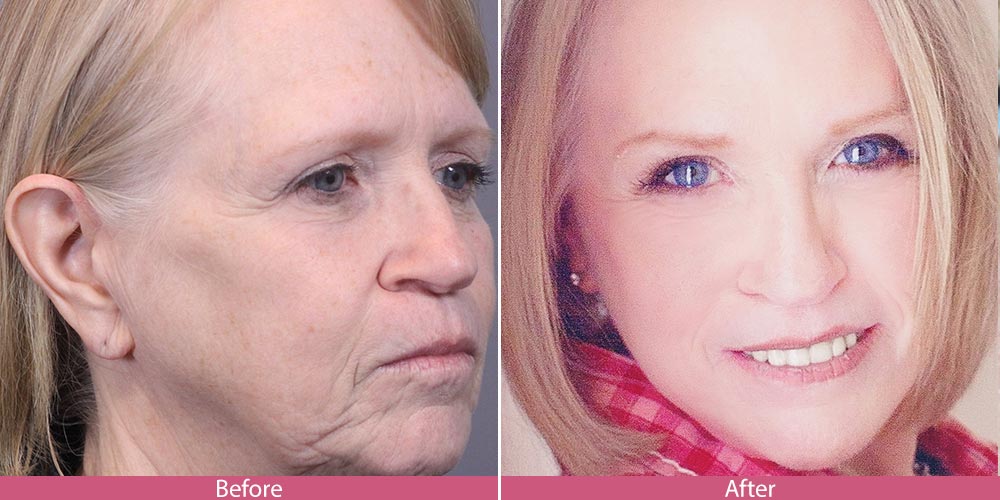
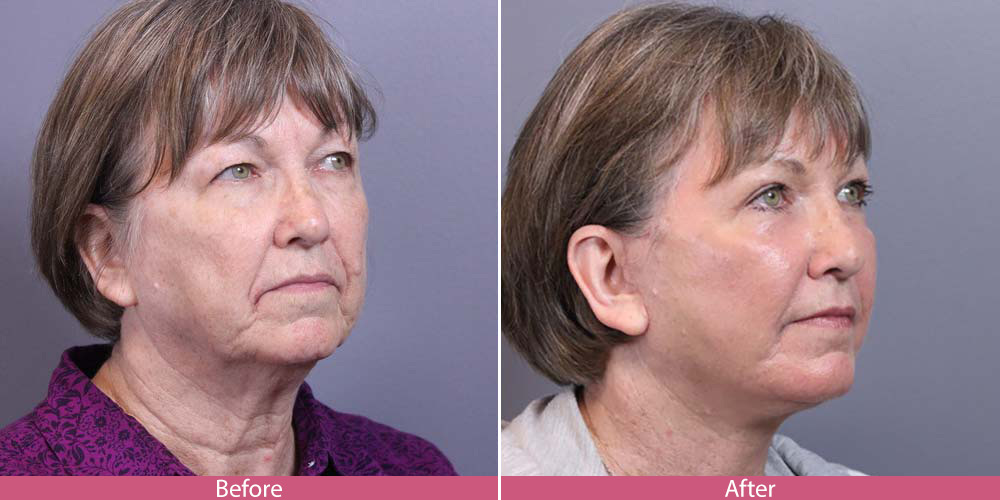
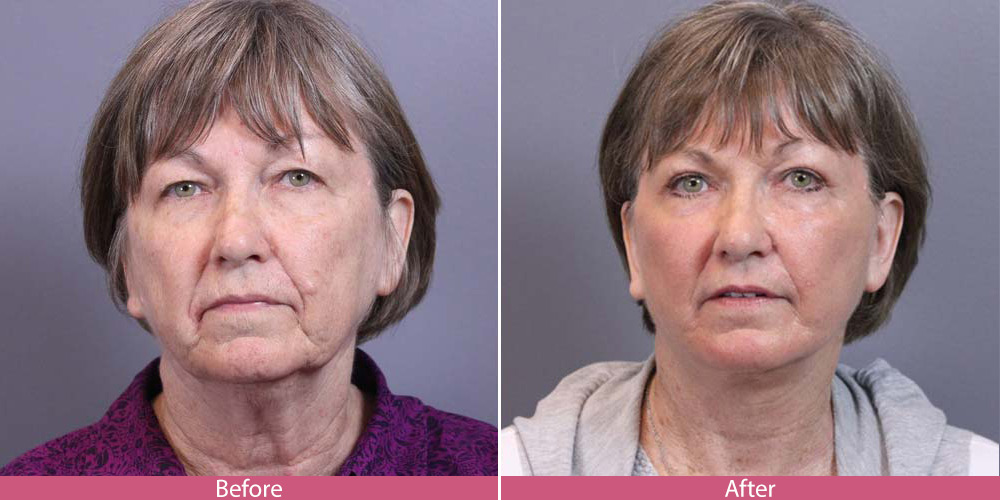
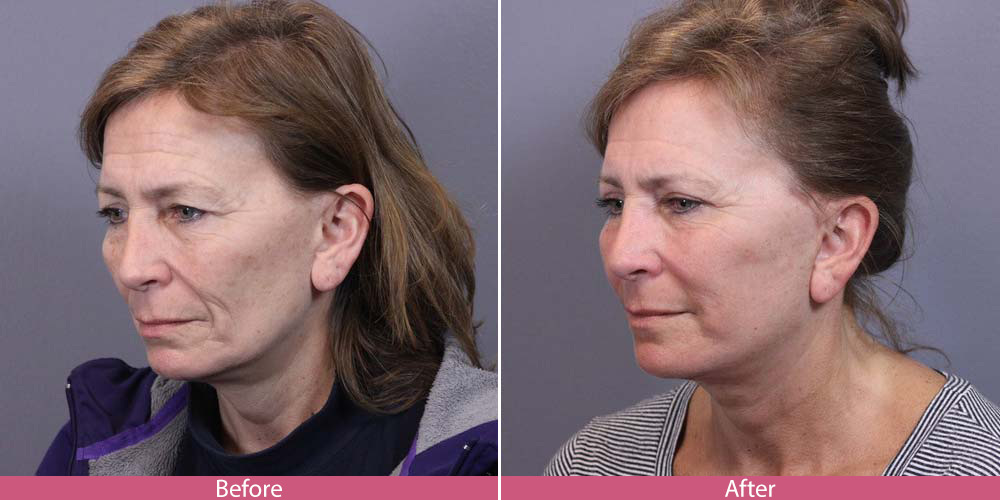
Otoplasty - Before
|
Otoplasty - After
|

|

|

|

|
 |
 |
Also See:
Procedures Overview
|
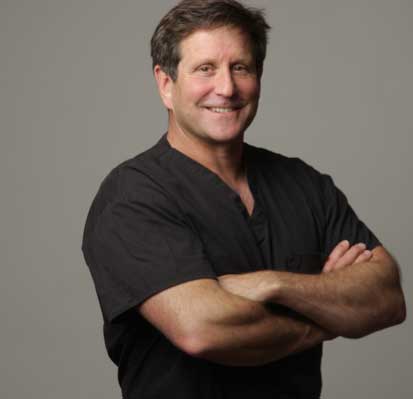
Dr. Santos is a Board Certified
Facial Plastic Surgeon Specializing in facial plastic surgery with two
clinics in the Renton, Seattle, Washington area; The clinics allow service
to Seattle, Renton, Bellevue, Kirkland, Tacoma, and Puget Sound area of
Western Washington.
Dr. Santos provides solutions for those seeking information regarding
facial plastic and reconstructive cosmetic surgery. He specializes in
consultation for various forms of cosmetic surgery such as face lifts
(rhytidectomy), eye lifts (blepharoplasty), facial plastic surgery,
facial rejuvenation, rhinoplasty (nose and nasal surgery), Botox(R)
injections, Restylane injections, chemical peel (resurfacing), laser
resurfacing, microdermabrasion, scar revision, brow lift / forehead
lift, lip enhancement and augmentation, liposuction, and overall facial
rejuvenation. Dr. Santos is a plastic surgeon that strives to provide
the highest level of comfort and integrity for those seeking an improvement
in their appearance. The information provided on this website should
not be construed as specific medical advice or recommendation.
Please call today at 1(425) 227-4000 or fill in the form below and set
up an appointment for your individualized consultation at our
Renton clinic, which serves the Seattle and Puget Sound
area of Western Washington.
|
|
|
|