Rhinoplasty,
Nasal Surgery
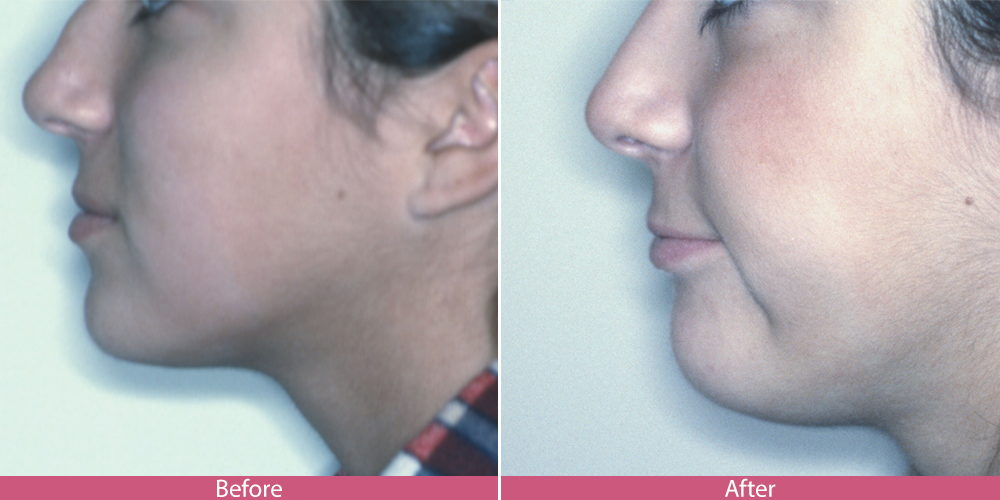
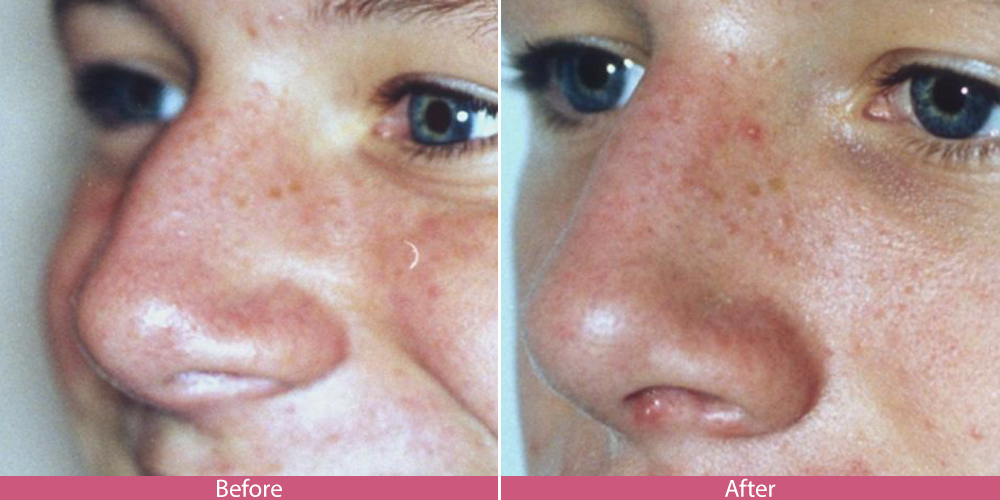
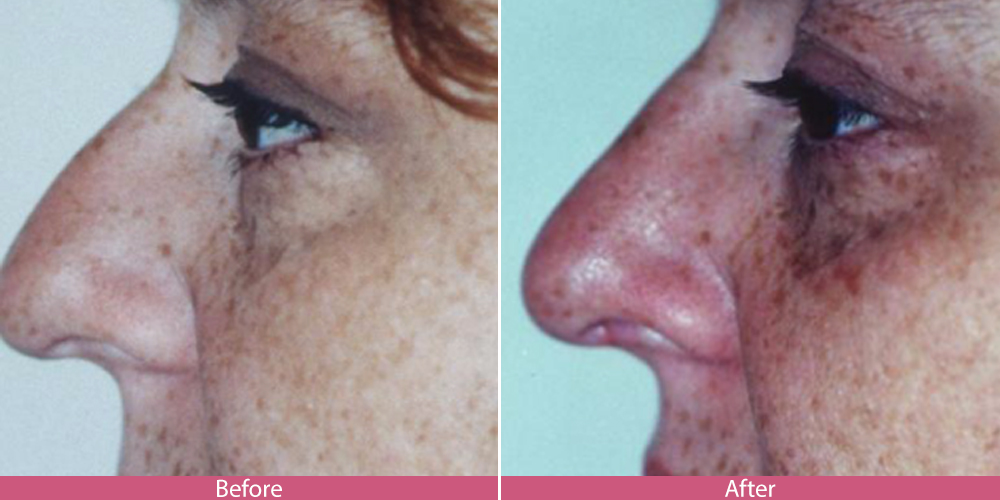
Real Patient Photos*

A Few Reasons to Choose Facial Beauty
Low Risk Procedures
Every procedure requires some for of anesthesia and traditionally this is a General Anesthesia, meaning you are completely knocked out. At Facial Beauty, we utilize cutting-edge local anesthesia procedures where you are not fully knocked out but completely comfortable. The advantage of Local Anesthesia that there are less complications & faster recovery time. Our procedures generally take from an hour and thirty minutes to no more than three hours, allowing us to dramatically reduce any risk involved in the procedure.

Limited Downtime
The biggest drawback to major facial surgery is the downtime. While recovery time can vary case by case, generally patients can return to work between seven to ten days after the procedure. We do everything we can for our patients to get you back to your family and back to your daily life of activity & exercise as soon as possible.
Simple & Affordable Financing
At Facial Beauty, we offer low monthly payment plans and pre-qualifications for any additional treatments, affordability has never been easier. If you’ve ever let financing stand in your way of a new you, come talk to us about options you may not know you had. We can even do pre-approvals over the phone so please feel free to call us anytime.
Frequently Asked Questions
What does the procedure involve?
- IV sedation or general anesthesia.
- Hidden and inner nasal incisions.
- Straightening and contouring of the nasal bridge.
- Reshaping of the nasal tip and lower 1/3 of the nose.
- Reshaping of the nasal bridge contour for best profile appearance.
- Improve internal nasal airway for optimum breathing.
- Performed by specialized and expert nasal Surgeon.
What are the typical underlying nasal problems?
- Overgrowth of cartilage or bone causing dorsal hump and displeasing nasal profile.
- Congenital deviation of nasal dorsum (bridge of nose) causing unsightly crookedness.
- Previous nasal trauma causing weakened, crooked, or indented nasal dorsum.
- Weakened lower third nasal cartilages rendering difficulty breathing through the nose due to collapse of cartilage.
- Previous nasal surgery with associated loss of important cartilaginous and bony structural support rendering anatomic and functional compromise with airway obstruction.
- Important nasal internal anatomy includes an internal central wall called the septum, which provides separation of internal right and left nasal air flow.
- Deviated nasal septum impedes nasal air flow, sometimes prevents nasal air from passing (nasal obstruction), or causes more turbulent nasal air flow.
- Prominent internal nasal turbinates develop due to chronic allergies, chronic vasomotor rhinitis, chronic allergic rhinitis, or chronic sinusitis, etc.
- Nasal obstruction can occur after trauma (ex: contact sports) due to fracture of cartilage or bone internally or loss of nasal support of internal or external nasal cartilage.
What are the common types of Nasal and Rhinoplasty procedures?
- Septoplasty (straightening of the nasal septum) to repair a deviated septum and to improve the nasal airway.
- Turbinoplasty: reduction of internal nasal turbinate to improve nasal airway.
- Open Rhinoplasty (reshape the nose using
- Closed Rhinoplasty.
- Endoscopic Sinus Surgery (opening of nasal sinuses using an endoscope).
- Nasal fracture repair (correcting crookedness and deformity due to fractured nasal cartilage and bone).
What type of anesthesia do you use?
- Minor nasal procedures can be performed under local anesthesia with oral sedation.
- IV sedation or general anesthesia with local anesthesia supplement performed in most instances.
What is the typical recovery time?
- Mild discomfort for 1 to 2 days post-operative.
- Functional at home the day after the procedure.
- Socially acceptable with makeup by 7 days.
- Return to work on a case-by-case basis, generally after 7 days post-operative.
- Resume normal exertional activity, aerobics, and jogging, after 2 weeks.
- Full resolution of all swelling, and full healing takes months
What is the recovery like?
- Limited need for pain medications, generally pain medications are needed for the first 48 hours.
- Light work activities can be resumed at three to four days postoperative
- External nasal splint remains in place for one week for nasal fracture and rhinoplasty procedures.
- Internal nasal splints are removed at 2 to 7 days post-operatively.
- No exertional activity, no heavy lifting, jogging, or aerobics for up to two weeks.
- Bruising and swelling last up to 7 to 10 days.
- Functional at home the day after the procedure.
- Head of bed elevation at 30 degrees or with three pillows behind the head for two weeks.
- Socially acceptable generally by 7 days with makeup and after the external nasal splint removed.
What can I do to help my recovery?
- Cold and ice compresses to the nasal areas for up to 48 hours.
- No exertional activity. No lifting, jogging, or running for two weeks.
- Head of bed elevation during the day or during sleep at 30-degree angle for up to two weeks.
- Internal nasal saline irrigations 3 times a day.
- Take prescribed medications according to the directions provided.
- No aspirin or ibuprofen related medications.
What factors have worsened my nasal condition?
- Nasal trauma.
- Chronic sinusitis, chronic allergies.
- Poorly controlled medical conditions (i.e. diabetes, cardiac disease)
- Genetic predisposition for overly prominent nasal anatomy.
Are there any procedures typically performed along with a Rhinoplasty?
- Septoplasty.
- Turbinate reduction.
- Endoscopic Sinus Surgery.
- Natural lift, minilift.
- Fat grafting or fat injection or fat eyelid repositioning.
- Full face laser resurfacing with fractionated CO2 laser.
- Brow lift.
What are typical motivations for Rhinoplasty?
- Crooked nose.
- Prominence or hump on the nasal dorsum (bridge).
- Displeasure with profile appearance of the nose.
- Prominence and bulging of the nasal tip.
- Difficulty with nasal breathing.
- Chronic nasal congestion and allergies.
- Chronic Sinusitis.
Who are good candidates?
- Individuals motivated to decrease the attention and prominence the nose plays for the overall appearance of the individual and the individual’s face.
- Displeasure with the appearance of the nose.
- Disproportionate nasal size relative to the rest of the face.
- Crookedness of the nose.
- Individuals motivated to look their best.
- Previous nasal trauma.
- Ethnic related accentuated nasal features.
- Desire for more soft and less prominent nasal features.
- Desire for more proportionate facial features.
- Chronic sinusitis
- Deviated nasal septum
- Difficulty breathing through the nose.
How old are most patients?
- Rhinoplasty common after age 18.
- Rhinoplasty is best after nasal cartilaginous and boney developmental maturation and growth has been achieved generally after 15 to 18 years of age.
- Rhinoplasty under age 15 in selected, medically urgent or significantly necessary instances.
How experienced are the surgeons?
- Board-Certified Facial Plastic and Reconstructive Surgeon.
- Expert Rhinoplasty surgeon who performs over 100 Rhinoplasties a year.
- Board-Certified Otolaryngologist, particularly important when dealing with internal nasal obstruction, septal deviation, and sinusitis.
Are there any reasons why I should not have a Rhinoplasty?
- Multiple previous rhinoplasty surgeries, which have not achieved success.
- Previous radiation therapy or skin cancer to the nasal area or previous skin cancer to the nose.
- Mild to moderate cardiac or pulmonary disease.
- Other significant medical illness.
- Chronic anticoagulation.
Routine post-operative instructions?
- Ice compresses to the nose area for 48 hours.
- Gentle nasal irrigations with warm saline and a bulb syringe starting 1 day post-operatively and continue until surgeon indicates to discontinue.
- Neosporin to inner nares with Q-tip application 3 times daily.
- No exertional activity. No lifting, jogging, or running.
- Head of bed elevation during sleep at 30-degree angle for 2 weeks.
- Take prescribed medications according to directions
- Keep the external splint on the bridge of the nose in place for 1 week, as it will be removed at the 1 week post-operative visit.
- Nasal breathing should return to normal after removal of internal splints at 7 days.
- Mild-to-moderate swelling remains to nasal dorsum after removal of external nasal splint.
- Nasal swelling is reasonably reduced by 2 weeks.
- Endpoint healing occurs mostly by six weeks, but it can take 6 months to a year in many instances.
A message about rhinoplasty from Dr. Santos:
Of all the structures of the face, the nose is probably the least likely candidate to be voted the most aesthetically pleasing or aesthetically perfect facial feature. Conversely, the eyes provide us with the focus and accentuation of our facial beauty, however the nose, not so much. The nose is never the center of flattering compliments. We will often here “you have beautiful eyes”, but it is a rare event when someone compliments another by saying “why what a beautiful nose you have”. The nose is more commonly of aesthetic or medical concern than most any other facial structure. Of note, a full discipline has long been created dedicated solely to the study of the physiology, pathology and medicine of the nose, known as rhinology.
The nose can be quite a nuisance as it can and will suffer from many frustrating medical conditions. Common maladies of the nose include allergies, chronic sinusitis, nasal airway breathing problems, septal deviation, turbinate hypertrophy, chronic rhinitis, and recurrent nasal bleeding (epistaxis). Also in today’s society of contact sports, nasal injuries have become quite common, particularly as the culture of the U.S. aspires to keep more physically fit.
Form and function tend to go hand in hand, that is to say, when providing improvement in function (improvement in breathing), the form, or the appearance, the aesthetic beauty, goes with it. We desire a proportional aesthetically pleasing symmetrical nose, which is functional as well. While the cosmetic aspect of the nose is treated, functional aspects can be remedied as well including alleviation of nasal breathing problems. Common ancillary procedures during cosmetic nasal surgery include nasal septal deviation correction, turbinate reduction, tear duct obstruction repair, nasal fracture repair, and alleviation of chronic sinus problems with endoscopic sinus surgery.
The appearance of the nose is a very sensitive subject to many due to the propensity of the nose to exhibit aesthetically displeasing characteristics such as asymmetries, contour deformities, crookedness, and bumps on the bridge, wide bridge, bulbous tip, and a size out of proportion with the rest of the face. Cosmetic nasal surgery aspires to meticulously sculpt and contour the nose to a more aesthetically pleasing form, and provide individuals with a better sense of confidence that their nose is no longer the center of attention to their face.
Cosmetic nasal surgery provides highly satisfactory remedies for many of the aesthetic concerns. The nose consists of both cartilage and bone, which together provide the underlying foundation and support structure to which the skin lies upon. The aesthetic results desired are to achieve a sense of strength, aesthetic proportionality, and refined contour that matches the face. Common cosmetic nasal surgery treatments include reduction of the prominent bridge, and reduction of the wideness of the nose. If the nasal tip is too bulbous, too droopy, too wide, or too pointy, etc., cosmetic nasal surgery techniques nicely work to meticulously contour and restructure these elements to a more aesthetically pleasing form. Improving the proportion of the nose relative to the rest of the face is of high importance. Sometimes, the nose is too long for the face or sometimes it is too strong or too weak for the face. A little improvement goes a long ways towards enhancing the individual’s self-confidence.
Sincerely,
Dr. David Santos
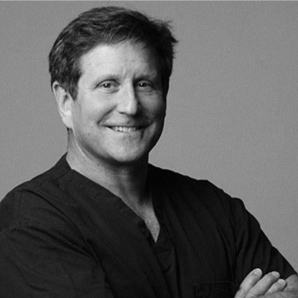
David Santos MD, FACS
Dr David Santos was the Medical Director for Lifestyle Lift, responsible for hundreds of facelift surgeons and thousands of procedures. Having performed over 4,000 facelift procedures himself, Dr. Santos is committed to finding cutting edge techniques to reduce the risk and minimize the downtime of facelift procedures.
- Member American Board of Facial Plastic and Reconstructive Surgery
- Member American Board of Otolarnyngology – Head and Neck Surgery
- Member American Academy of Facial Plastic and Reconstructive Surgery